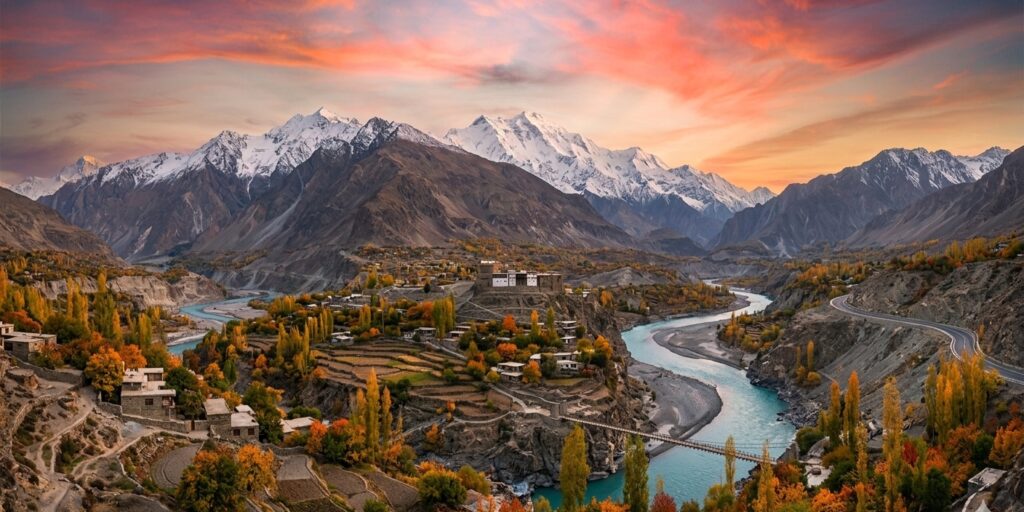
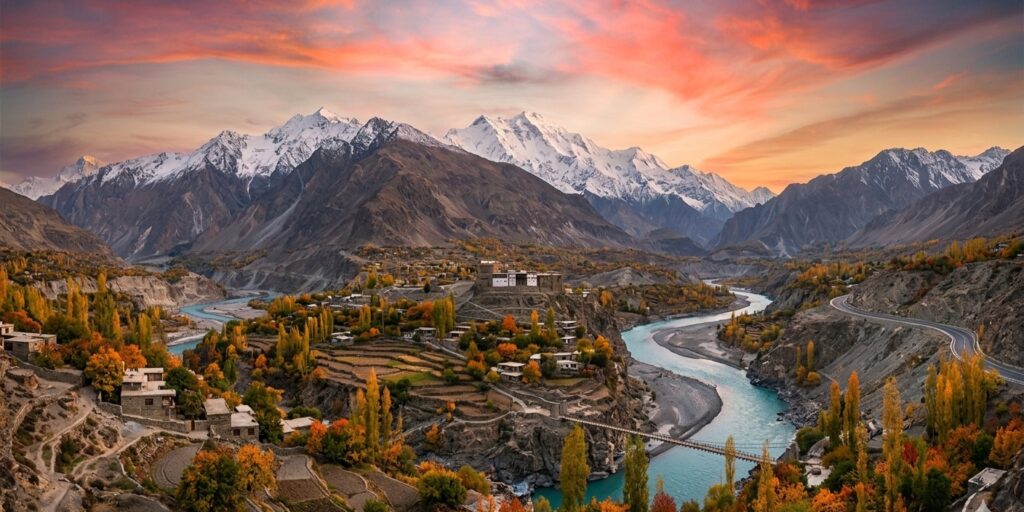
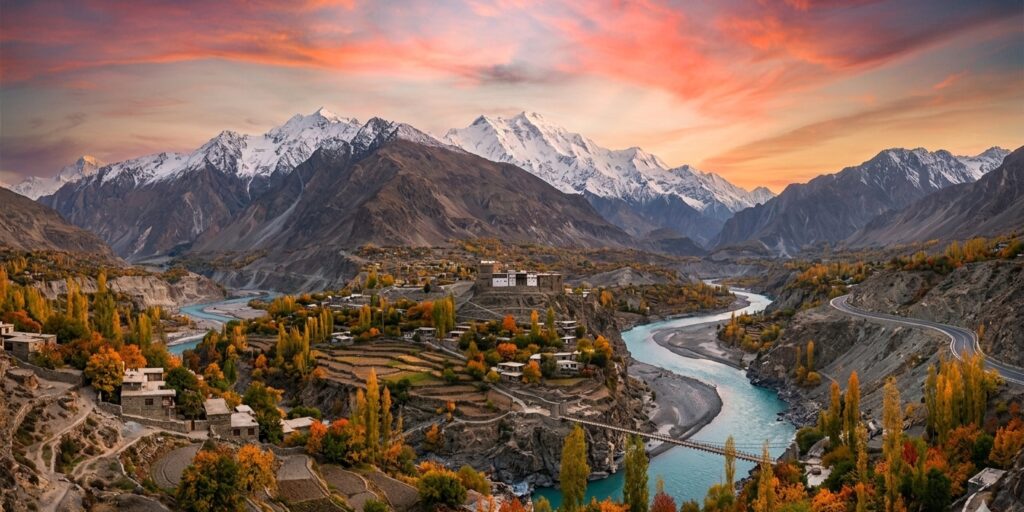
Writing 1,500 words on Pakistan is like trying to capture the essence of a mountain range in a single photograph—there is always more to discover. Below is a comprehensive, deep-dive article covering the history, geography, economy, culture, and the future outlook of Pakistan as of 2026.Pakistan: The Land of Resilience, Diversity, and Infinite PotentialIntroduction: A Nation of ContrastsPakistan, officially the Islamic Republic of Pakistan, is a country that defies simple definitions. Situated at the strategic crossroads of South Asia, Central Asia, and the Middle East, it is a land where ancient civilizations meet modern aspirations. From the sun-drenched beaches of the Arabian Sea to the frozen summits of the Karakoram, Pakistan is a mosaic of ethnicities, languages, and landscapes. In 2026, it stands as the fifth most populous nation on Earth, navigating the complexities of the 21st century with a spirit of resilience that has become its trademark.1. The Cradle of Civilization: Historical RootsThe history of the land that is now Pakistan does not begin in 1947; it stretches back over 5,000 years.The Indus Valley: The plains of Sindh and Punjab were home to the Indus Valley Civilization (Mohenjo-Daro and Harappa), one of the oldest urban societies in human history. Their sophisticated town planning and drainage systems still baffle archaeologists today.The Gandhara Era: In the north, the Gandhara civilization flourished, making the region a center for Buddhist learning. Taxila, now a UNESCO World Heritage site, was once a premier global university.The Islamic Golden Age & Mughals: The arrival of Islam in the 8th century via Muhammad bin Qasim in Sindh transformed the social fabric. Later, the Mughal Empire left behind an architectural legacy—the Badshahi Mosque, Lahore Fort, and Shalimar Gardens—that remains the pride of Pakistan.The Birth of a Nation: The modern state of Pakistan was the result of the “Two-Nation Theory,” led by Quaid-e-Azam Muhammad Ali Jinnah. On August 14, 1947, Pakistan emerged as a sovereign state, a sanctuary for the Muslims of the subcontinent.2. Geography: From the K2 to the CoastPakistan’s geography is arguably its most spectacular feature. It is divided into three major regions: the Northern Highlands, the Indus River Plain, and the Balochistan Plateau.The Roof of the World: The northern territory is where three of the world’s greatest mountain ranges—the Himalayas, the Karakorams, and the Hindu Kush—converge. Pakistan boasts five of the world’s 14 peaks above 8,000 meters, including the majestic K2.The Indus River: Often called the “Lifeline of Pakistan,” the Indus River flows from the Tibetan plateau through the entire length of the country. It sustains the world’s largest contiguous irrigation system, turning the plains of Punjab and Sindh into fertile agricultural hubs.Balochistan’s Rugged Beauty: The largest province by area, Balochistan, is a land of dramatic plateaus, rich mineral deposits, and a stunning coastline. The deep-sea port of Gwadar is the crown jewel of this region, poised to become a regional trade hub.3. The Economic Landscape in 2026As of May 2026, Pakistan’s economy is in a state of “strategic recalibration.” After years of volatility, the country is focusing on structural reforms to ensure long-term stability.The IT Boom: One of the most significant shifts in the last five years has been the explosion of the IT sector. Pakistani youth have embraced the digital economy, making the country one of the top destinations for global freelancing. Software exports have become a vital source of foreign exchange.Agriculture 2.0: Agriculture remains the backbone, employing nearly 40% of the workforce. However, 2026 marks a shift toward “Corporate Farming” and tech-integrated agriculture to combat the effects of climate change and improve crop yields of wheat, cotton, and rice.CPEC and Connectivity: The China-Pakistan Economic Corridor (CPEC) has entered its second phase. The focus has shifted from infrastructure and energy to industrialization and special economic zones (SEZs), aiming to turn Pakistan into a manufacturing hub for the region.Challenges: Inflation and external debt remain significant hurdles. The government in 2026 is under immense pressure to balance “Austerity Measures” with “Social Safety Nets” for the vulnerable populations.4. Society and Culture: The Pulse of the PeoplePakistan is a multi-ethnic society, primarily composed of Punjabis, Pashtuns, Sindhis, Balochs, and Muhajirs. This diversity creates a vibrant, multi-layered culture.Language: While Urdu is the national language and English is used for official business, regional languages like Punjabi, Pashto, Sindhi, and Balochi are the soulful expressions of the people.The Spirit of Hospitality: If there is one trait that unites all Pakistanis, it is hospitality. A guest in a Pakistani home—whether in a high-rise in Karachi or a mud hut in a remote village—is treated with the utmost respect and generosity.Cuisine: Pakistani food is a celebration of spices and flavors. From the smoky Sajji of Balochistan and the Peshawari Chappal Kebab to the spicy Biryani of Karachi and the Nihari of Lahore, the food reflects the country’s history of Persian, Central Asian, and Indian influences.Sufism and Music: Sufism plays a deep role in the spiritual life of the country. The shrines of saints like Lal Shahbaz Qalandar and Data Ganj Bakhsh are centers of peace. This spiritualism translates into music through Qawwali, popularized globally by the late Nusrat Fateh Ali Khan.5. Sports: More Than Just a GameIn Pakistan, sports are a unifying force.Cricket: It is not just a sport; it is a national obsession. The green jerseys of the Pakistan team can bring the entire country to a standstill. The Pakistan Super League (PSL) has become one of the premier T20 leagues in the world, bringing international stars to cities like Multan, Rawalpindi, and Quetta.Field Hockey and Squash: While cricket dominates the headlines, Pakistan has a golden history in Field Hockey (4-time World Champions) and Squash, where legends like Jahangir Khan and Jansher Khan ruled the world for decades.Emerging Stars: In 2026, there is a renewed focus on individual sports. Arshad Nadeem’s success in Javelin Throw has inspired a new generation of Olympians.6. The Climate ChallengePakistan is often cited as one of the countries most vulnerable to climate change, despite contributing less than 1% to global carbon emissions. The melting of glaciers in the north and the recurring heatwaves in the south present a monumental challenge. In 2026, “Climate Diplomacy” is a central pillar of Pakistan’s foreign policy, as the nation seeks global cooperation for disaster resilient infrastructure and “Green Energy” transitions.7. Youth: The Engine of the FutureWith 64% of its population under the age of 30, Pakistan’s future lies in its youth. This “youth bulge” is a double-edged sword. If provided with quality education and job opportunities, this generation can propel Pakistan into the ranks of the world’s leading economies. The rise of female education and participation in the workforce is a particularly encouraging trend in 2026, with women excelling in fields ranging from fighter pilots to tech entrepreneurs.Conclusion: The Path AheadPakistan at 79 years of age is a nation that has survived wars, natural disasters, and economic crises. Every time the world expects it to falter, it finds a way to stand back up.The Pakistan of 2026 is a nation looking inward to fix its flaws and outward to embrace the world. It is a land of breathtaking beauty, untapped resources, and a people whose heart is as big as the mountains they live under. While the road ahead is filled with challenges, the trajectory is one of hope. To understand Pakistan is to understand that beneath the headlines of struggle lies a story of an incredible, enduring spirit.Pakistan Zindabad.