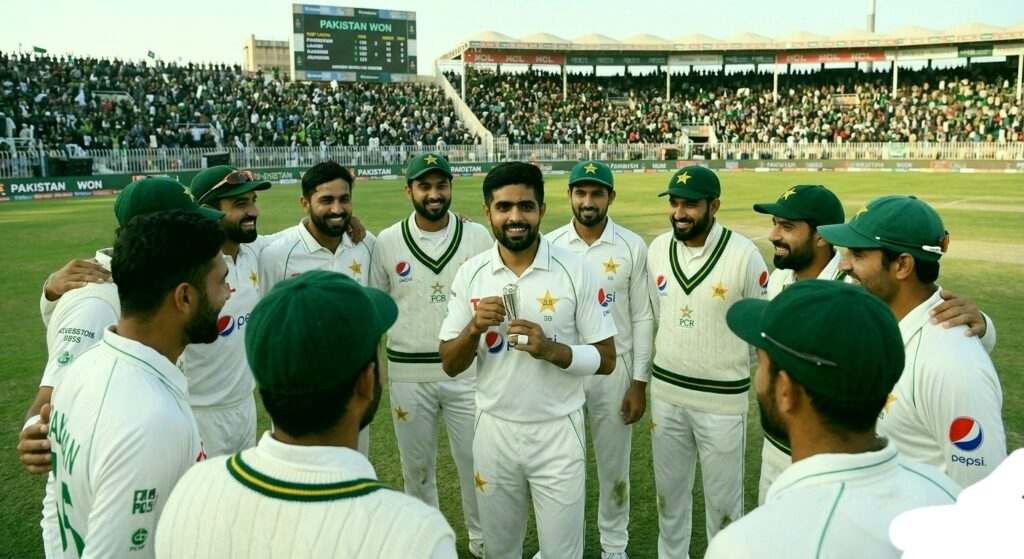
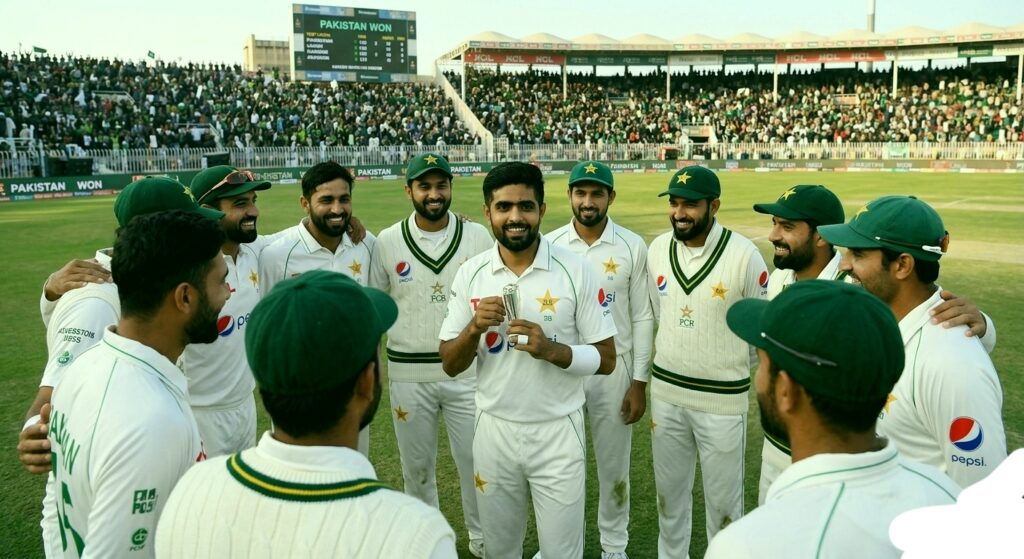
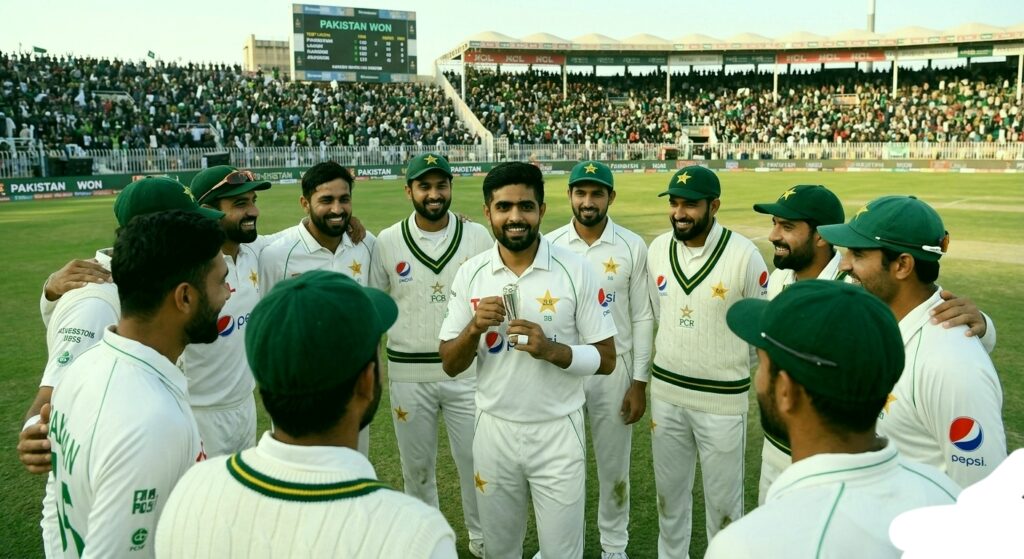
The Resilience and Rigidity: The Evolving Saga of Pakistan Test CricketThe story of Pakistan Test cricket is not merely a statistical record of wins and losses; it is a sprawling epic defined by mercurial brilliance, institutional struggle, and an unbreakable spirit. Since gaining Test status in 1952, Pakistan has established itself as the “Wild Card” of the cricketing world—a team capable of surmounting the impossible one day and collapsing inexplicably the next. In the modern era, the Test team finds itself at a critical crossroads, balancing a rich legacy of reverse swing and spin mastery against the demands of a high-octane, data-driven global game.The Golden Legacy: From Hanif to WasimTo understand the current state of Pakistan Test cricket, one must look at the foundation. Pakistan’s entry into the long format was marked by the legendary Hanif Mohammad, the “Little Master,” whose 337 against the West Indies in 1958 remains a masterclass in endurance.The 1980s and 90s represented the “Golden Age.” Under the charismatic leadership of Imran Khan, Pakistan became a force that feared no one. This era introduced the world to:Reverse Swing: Developed by Sarfraz Nawaz and perfected by the “Two Wasims” (Akram and Waqar), changing the physics of fast bowling.Leg-Spin Wizardry: Abdul Qadir revived the dying art of leg-spin, paving the way for future greats like Shane Warne.Batting Fortresses: Players like Javed Miandad and later Inzamam-ul-Haq provided the grit needed to win away from home.The Era of “MisYou”: Stability in ExileThe most harrowing period for Pakistan Test cricket followed the 2009 attack on the Sri Lankan team bus, which turned Pakistan into a “nomadic” side. For a decade, the team played its “home” matches in the UAE.Surprisingly, this era became one of Pakistan’s most successful in Test cricket. Under Misbah-ul-Haq, the team developed a “fortress” in Dubai and Abu Dhabi. Alongside the prolific Younis Khan, Misbah brought a sense of calm and discipline. In 2016, Pakistan reached the No. 1 spot in the ICC Test Rankings, a feat that felt like a miracle given they hadn’t played a Test match on home soil in seven years.The Current Landscape: Challenges and TransitionsToday, .Pakistan Test cricket is in a state of flux. The return of international cricket to Pakistan has been a massive emotional victory, but it has brought new technical challenges, specifically regarding pitch preparation.1. The Batting ConundrumWhile Babar Azam remains the centerpiece of the batting lineup, the team has struggled with consistency. The transition from the defensive stability of the Misbah era to a more modern, aggressive approach has been rocky. Young talents like Abdullah Shafique and Saud Shakeel have shown flashes of brilliance, proving that the assembly line of talent hasn’t stopped, but the ability to bat through “tough sessions” remains a work in progress.2. The Pace Battery vs. The Flat TracksPakistan’s historical strength has been its fast bowling. However, recent home series on placid tracks have neutralized the likes of Shaheen Shah Afridi and Naseem Shah. The challenge for the current management is to produce sporting wickets that offer a contest between bat and ball, allowing Pakistan’s natural skill in seam and swing to flourish.3. The Spin IdentityWith the departure of Yasir Shah, Pakistan has searched for a consistent match-winner in the spin department. The emergence of Abrar Ahmed, the “mysterious” leg-spinner, has provided hope. In Test cricket, especially in the subcontinent, a team is only as good as its specialist spinner’s ability to take 20 wickets.The Road Ahead: Modernization and ConsistencyFor Pakistan to reclaim its spot among the elite—competing with the likes of Australia and India—several structural changes are necessary:First-Class Reform: Strengthening the Quaid-e-Azam Trophy to ensure that the gap between domestic cricket and Test cricket is minimized.Mental Resilience: Moving away from the “unpredictable” tag by fostering a culture of tactical discipline.Fitness Standards: In the modern five-day game, physical endurance is non-negotiable.”Pakistan cricket is at its best when it plays with freedom, but freedom without a plan is chaos. The goal is to marry that natural flair with modern tactical awareness.”ConclusionPakistan Test cricket remains one of the most compelling narratives in sports. It is a team that thrives on emotion and raw talent. While the transition period has been difficult, the ingredients for success—passionate fans, world-class fast bowlers, and elegant stroke-makers—are all still there.As the team navigates the World Test Championship cycles, the world watches with bated breath. Because in the world of Test cricket, you can never truly count Pakistan out. They are the masters of the comeback, and their journey back to the top is not a matter of “if,” but “when.”Summary Table: Pakistan Test Cricket Icons